
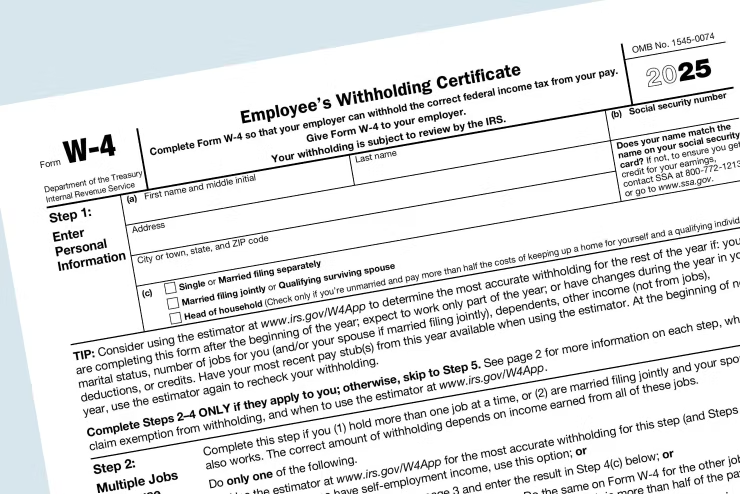
The IRS Form W-4 is an essential document that determines how much federal income tax is withheld from your paycheck. Many employees fill it out when they start a new job and never revisit it. However, major life changes such as a promotion, job change, marriage, or divorce can impact your tax situation, making it necessary to update your W-4. Adjusting your W-4 accordingly ensures you’re withholding the correct amount of taxes and avoiding surprises during tax season.
-
Claim dependents
-
Adjust withholding based on multiple jobs
-
Request additional tax withholdings
How Life Changes Impact Your W-4 Form
-
Review Your New Salary: Higher earnings could mean a higher tax bracket, leading to increased tax liability.
-
Update Your W-4: If your new job pays significantly more, you may need to adjust your withholding to prevent owing taxes at year-end.
-
Consider Additional Withholding: If you receive bonuses or commissions, you may want to request additional tax withholding on your W-4 to avoid a large tax bill later.
-
Choose a Filing Status: You can file taxes as “Married Filing Jointly” or “Married Filing Separately.” Filing jointly often results in lower taxes, but certain circumstances might make separate filing beneficial.
-
Adjust Allowances: If both spouses work, tax withholding might need to be adjusted to avoid overpaying or underpaying taxes. The IRS recommends using the IRS Tax Withholding Estimator to determine proper adjustments.
-
Update Dependents: If you or your spouse has children, you may qualify for tax credits that could lower your tax liability.
-
Change Filing Status: After a divorce, you will no longer file as “Married Filing Jointly.” You may need to select “Single” or “Head of Household” if you qualify.
-
Adjust Withholding: If your ex-spouse previously covered most tax obligations, you may need to increase your withholding to ensure you meet tax requirements on your own.
-
Reevaluate Dependents: If you have children, determine who will claim them as dependents. The custodial parent typically claims them for tax purposes.
-
Claim the Child Tax Credit: If your child qualifies, you can claim the Child Tax Credit, reducing your overall tax burden.
-
Update Your Withholding: If you qualify for new tax credits or deductions, you may want to adjust your withholding to increase your take-home pay.
-
Consider Filing as Head of Household: If you are a single parent, you may qualify for “Head of Household” status, which offers a higher standard deduction and lower tax rates.
-
Factor in Mortgage Interest Deductions: Homeownership often lowers taxable income, so reducing your withholding might make sense. This is important consideration for taxpayers who itemize their deduction.
-
Use IRS Tax Withholding Estimator: This tool can help determine if your new deductions should change your withholding amount.
How to Update Your W-4
-
Step 1: Enter your personal information and filing status.
-
Step 2: If you have multiple jobs, use the IRS estimator or the worksheet to adjust your withholdings accordingly.
-
Step 3: If you have dependents, claim the applicable tax credits.
-
Step 4: Adjust additional withholding if necessary.
-
Step 5: Sign and submit the form to your employer.
Why Keeping Your W-4 Updated Matters
-
You don’t owe a large tax bill at the end of the year.
-
You receive your money throughout the year instead of overpaying taxes and waiting for a refund.
-
You take advantage of tax credits and deductions that reduce your taxable income.